Don't go headless on Shopify
I'll say it plainly: for almost every Shopify store, going headless is a mistake. Not a tradeoff. A mistake.
In my experience, I've only seen clients wanting to go back to native. Never the other direction. That made me question whether I was biased, so I looked for real success cases that would change my mind. I didn't find them.
What you're actually signing up for
What you're actually signing up for is a significant build investment, ongoing React development resources, manual implementation of every new Shopify feature, custom integration work for most apps, and potential SEO damage during migration. The total cost is hard to generalize because it varies widely, but it's always more than people expect going in.
The numbers back this up. According to a 2025 Gartner Digital Commerce report, only 34% of brands said their headless migration was worth the total cost at the 12-month mark. Two thirds of companies that went headless regretted it within a year.
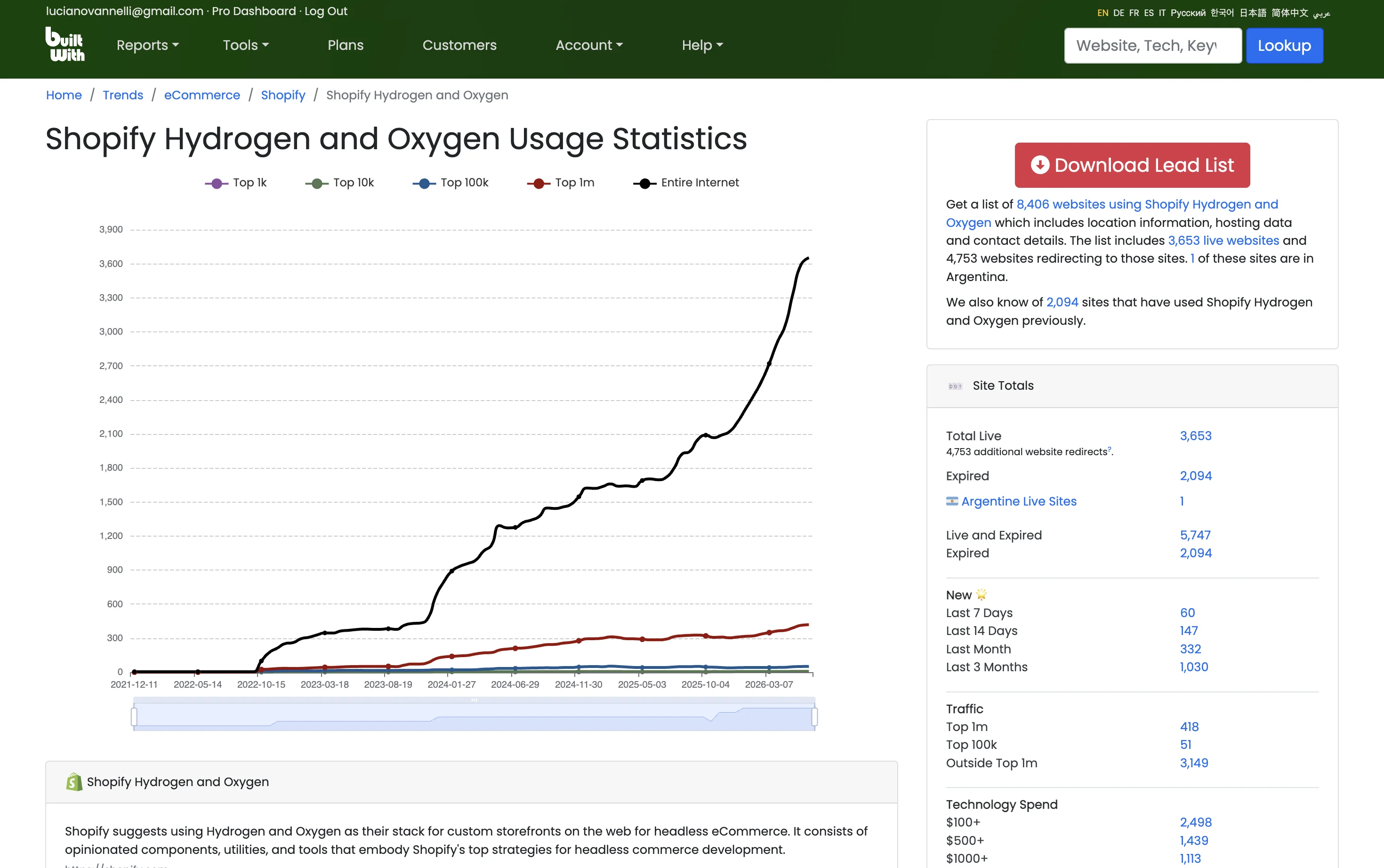
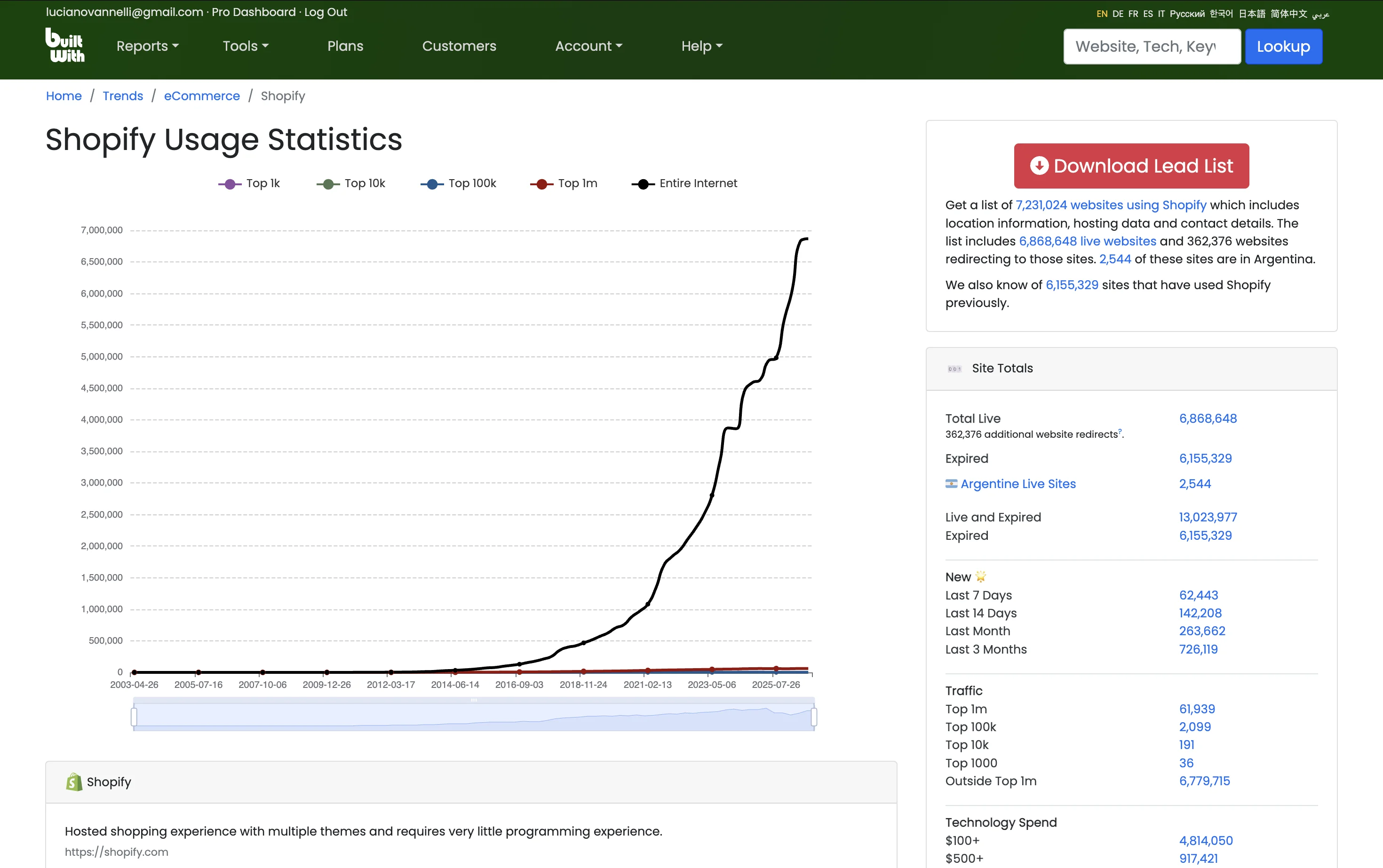
And the adoption data is telling. According to BuiltWith, Shopify's own headless framework Hydrogen powers around 3,000 live stores. Out of over 6 million total Shopify stores, that's roughly 0.05%. That's not a niche. That's a rounding error.
What Shopify native can do today
Checkout Extensibility gives you full control over the checkout UI. Shopify Functions let you customize discount logic, shipping, and payments at the backend level. Metaobjects handle complex content structures. Markets handles internationalization. The theme editor is more powerful than most developers realize.
One of the biggest things headless storefronts lose is the Online Store Editor. For a store owner, being able to customize content, move sections around, and update the storefront without touching code is a core part of the Shopify experience. Headless replaces that with a third-party CMS, which adds cost, complexity, and a tool that doesn't integrate natively with the Shopify admin. Most merchants don't realize this until they're already deep into the build.
Ask Phill, a Shopify agency, puts it well: if your theme loads under 2.5 seconds and your conversion rate is healthy, headless won't change your revenue. Performance gains matter when you're starting from a broken baseline, not when things already work.
Many of the use cases that previously justified headless, like internationalization and dynamic content, now have native solutions in Shopify. Swanky Agency notes that many brands that went headless have since moved back to the theme approach to reduce costs and complexity after Shopify launched Markets and Online Store 2.0.
Why it keeps getting sold anyway
Headless sounds serious. It signals technical sophistication. Agencies that specialize in it charge more for it. There's a real incentive to recommend it regardless of whether the client needs it.
It also appeals to developers. React is more exciting to build with than Liquid. But what's interesting for a developer to work on and what's right for a business are often different things.
Tante-E, a German Shopify agency that actively advises against headless for most clients, describes the pattern accurately: at first glance it sounds like freedom and performance, but in practice the supposed flexibility creates more problems than it solves for the vast majority of stores.
When headless might make sense
Genuinely: almost never. The profile that might justify it is an enterprise brand with a dedicated React development team, storefront requirements so specific that no theme or extension can cover them, and systems that need deep integration with the Shopify frontend. That profile exists. It's rare. And those companies typically work with large agencies, not freelancers or small teams.
For everyone else, the native stack is the answer. Not because it's easier, but because it's actually better for the vast majority of real use cases.